Southbound Travel Scheme
jun26
Southbound travel scheme to expand
The Hong Kong Special Administrative Region Government today announced arrangements for the expansion of the “Southbound Travel for Guangdong Vehicles” scheme to cover all nine Mainland cities in the Greater Bay Area.
The scheme has been operating smoothly since being launched late last year. Initially it covered four Mainland cities, namely Guangzhou, Zhuhai, Zhongshan and Jiangmen.
As at the end of last month, around 8,400 applications had been approved for entry into Hong Kong, with around 6,700 travel bookings being made. During the Mainland’s Labour Day Golden Week, in early May, bookings were oversubscribed by two to three times.
As for the “Park & Fly” service, which allows travellers to park at the Hong Kong Port part of the Hong Kong-Zhuhai-Macao Bridge (HZMB), over 8,600 user registration applications had been received, with more than 4,000 bookings being made.
In view of factors such as port operations, overall road traffic conditions, user feedback and public adaptation, the Guangdong and Hong Kong governments have agreed to gradually expand the Southbound Travel Scheme to all of Guangdong Province.
As a first step, the scheme will be expanded to all nine Mainland cities in the bay area in the middle of this year. This involves adding Shenzhen, Foshan, Dongguan, Huizhou and Zhaoqing to the scheme.
Guangdong and Hong Kong will allow Guangdong vehicles from the five new cities to use the “Park & Fly” service at the port carpark from June 15.
From July 25, Guangdong vehicles from the five cities will also be allowed to enter Hong Kong via the HZMB.
On the same day, the travel booking quota for vehicles entering Hong Kong will be increased from 100 to 200 per day. The “Park & Visit” service will also be launched at the Hong Kong Port carpark for Guangdong vehicles from all nine cities. Each vehicle will be able to remain in Hong Kong for up to three days.
Guangdong and Hong Kong will continue to monitor arrangements and aim to expand the scheme to all 21 cities in Guangdong by the first quarter of next year.
Secretary for Transport & Logistics Mable Chan thanked the central government and the Guangdong Provincial Government for their staunch support in taking the scheme forward.
“The Southbound Travel Scheme has been implemented in a prudent and orderly manner, and has achieved readiness for further gradual expansion.”
She added that the Hong Kong SAR Government will continue to take the scheme forward to help drive economic growth for Hong Kong and to promote the integrated development of Guangdong and Hong Kong.
https://www.news.gov.hk/eng/2026/06/20260608/20260608_150708_729.html
ab26
More than 5,000 urban trips were booked under the "Southbound Travel for Guangdong Vehicles" arrangement, with authorities now preparing a next-phase service tailored for cross-border self-driving tours.
The announcement was made on the Transport Department’s social media this morning, reporting a smooth start of the scheme since its implementation on December 23.
https://www.thestandard.com.hk/news/article/330294/
mar26
Guangdong governor Meng Fanli said the “Southbound Travel for Guangdong Vehicles” scheme has been progressing smoothly since its implementation more than two months ago.
Meng made the remarks while attending China’s annual “Two Sessions” meetings in Beijing, where he expressed support for the initiative.
“The scheme is moving forward, and we will certainly proceed according to the established approval process,” Meng said.
When asked whether he was confident that all cities in the province could participate within six months, Meng said authorities would assess the situation as it develops, adding that cross-boundary connectivity is currently being promoted smoothly.
Former Secretary for Transport and Housing Frank Chan Fan said initiatives that benefit the public and enhance people’s sense of well-being and security should be gradually expanded.
Chan said he believes there is room to increase the quota and urged the public to remain patient as the government continues to advance the scheme.
https://www.thestandard.com.hk/news/article/326228/
jan26
Secretary for Transport and Logistics Mable Chan stated that the quota for the "Southbound Travel for Guangdong Vehicles" scheme has not been fully utilized, and the scheme will be extended to cover four additional cities in Guangdong Province after half a year.
The scheme, which provides a daily quota of 100 spots and was implemented about a month ago, allows approved Guangdong vehicles to enter the urban areas of Hong Kong.
Source URL : Southbound travel scheme set to expand to four more Guangdong cities: Mable Chan | The Standard
https://www.thestandard.com.hk/hong-kong-news/article/322588/
jan26 Balanço um mês SCMP
“Within the last month, it is encouraging to see that more than 2,500 people have applied to the scheme. [Among them], more than 1,000 have made a booking,” she revealed.
Since December 23 last year, mainland drivers have been allowed to travel to Hong Kong using their own cars under the “Southbound Travel for Guangdong Vehicles (Entry into Urban Area)” scheme.
The policy permits approved vehicles from Guangdong province to enter the city during booked time slots and travel via the Hong Kong-Zhuhai-Macau Bridge.
This year, the mainland’s Lunar New Year “golden week” break will last nine days, running from February 15 to February 23.
Secretary for Culture, Sports and Tourism Rosanna Law Shuk-pui said the government had set up an interdepartmental working group to coordinate travel arrangements for visitors over the holiday, estimating this year would see a “notable increase” in arrivals.
“The relevant departments of the [Hong Kong government] will maintain close liaison with the relevant organisations and the travel trade to make early preparation and planning with a view to providing a high-quality travel experience for visitors,” she said.
Last year, Hong Kong welcomed more than 1.4 million mainland tourists over the Lunar New Year period.
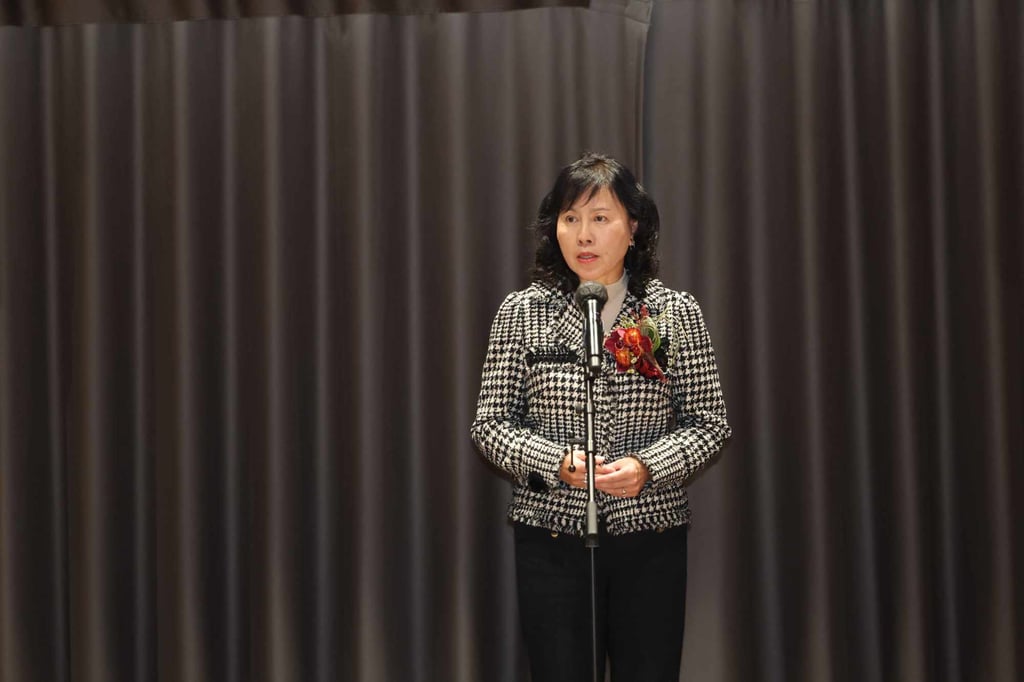
Transport chief Chan, meanwhile, said she expected the application numbers for the southbound travel scheme to climb as the mainland’s extended break approached, with tourism industry stakeholders rolling out incentives to encourage drivers to park at partner hotels and stay in the city for several nights.
He added that the hotel industry was collaborating with shopping malls and theme parks to ensure a smooth parking experience and adequate supporting facilities for such travellers.
Hong Kong Disneyland said it would partner with travel platforms to offer festive parking promotions for those who bought at least two tickets or booked a stay at its resort.
Shopping centre Elements, which is managed by the MTR Corporation, said it would offer free parking and HK$200 dining vouchers for travellers over the break.
Tsui said that more than 30 hotels were also offering exclusive packages for travellers under the southbound scheme, including free overnight parking and perks such as shopping discounts.
He also estimated that hotel occupancy rates would reach more than 90 per cent over the mainland’s extended break.
The transport minister said the travellers were welcome to park their cars at partnering malls or hotels and ride public transport to experience another side of Hong Kong.
Hong Kong’s Airport Authority has also set aside 1,500 spaces at its automated car parks for drivers looking to catch flights from the city over the break.
The government previously said the southbound scheme would proceed in a “steady manner”, with a daily quota of 100 cars. Each vehicle can stay for up to three days.
Tsui said the scheme would bring in visitors with high spending power and expressed hopes that authorities would continue to monitor it and review the daily quota in due course.
“I do not think we should set a timeline for this … But since [the scheme] is a good thing, industry representatives will talk to the minister and tell her to speed up and increase the quota,” he said.
“We hope this is the direction we are heading.”
https://www.scmp.com/news/hong-kong/society/article/3341033/hong-kongs-southbound-travel-scheme-1-month-old-are-people-signing
jan26
Editorial | Mainland Chinese drivers need to be aware of and respect Hong Kong laws
The southbound travel scheme will provide greater convenience and facilitate integration, so long as motorists follow the rules
https://www.scmp.com/opinion/comment/article/3338666/mainland-chinese-drivers-need-be-aware-and-respect-hong-kong-laws
dez25
‘Hell car parks’: mainland Chinese drivers hit bumps navigating Hong Kong roads
dez25
he Southbound Travel Scheme’s urban entry phase, which began on Tuesday (23rd December), has sparked debate after numerous Guangdong‑registered vehicles were seen with heavily tinted side windows prompting accusations of double standards in inspection requirements. While Hong Kong law mandates that local vehicles’ windscreens and front side windows must achieve a minimum visible light transmission (VLT) of 70%, the Transport Department said in response to media enquiries that vehicles making only a short stay must still meet the 70% threshold for the front windscreen, but the requirement does not apply to the front side windows.
Ringo Lee Yiu‑pui, governor and honorary life president of the Hong Kong, China Automobile Association, noted that Hong Kong’s Road Traffic Ordinance, inherited from the colonial era, restricts “heavily tinted glass” partly on security grounds. However, he argued that contemporary priorities—environmental protection and energy efficiency—together with the growing adoption of digital rear‑view systems, justify considering a relaxation of the rules.
https://www.dimsumdaily.hk/transport-department-clarifies-window%E2%80%91tint-rules-for-southbound-travel-scheme-following-heavily-tinted-glass-controversy/
dez25
HK's Southbound Travel for Guangdong Vehicles scheme officially begins
First batch of Guangdong cars enter HK under new driving scheme
dez25
Southbound travel prep complete
The Transport Department said today that it will implement the Southbound Travel for Guangdong Vehicles (STGV) in an orderly manner and various measures are ready to receive Guangdong vehicles entering Hong Kong's urban areas from December 23.
Starting from 0.00am on December 23, approved Guangdong vehicles with confirmed travel bookings may enter Hong Kong's urban areas via the Hong Kong-Zhuhai-Macao Bridge (HZMB) for up to three days per visit.
The department noted that the application response is positive. It will issue electronic permits and approval letters to the successful applicants accordingly.
It has arranged vehicle inspection centres to install the HKeToll vehicle tags for vehicles during inspection, and applicants are required to set up auto-payment means or top up their HKeToll accounts for toll payments.
Regarding vehicle and road safety, all Guangdong vehicles entering Hong Kong's urban areas are required to undergo and pass a vehicle examination in accordance with Hong Kong requirements at the department's designated vehicle inspection centres on the Mainland. The department has provided training to inspection personnel to ensure consistency in inspection standards.
The department has also released videos on driving in Hong Kong at inspection centres and on social media to introduce Hong Kong's traffic rules, traffic signs and road markings, and points to note while driving.
In addition, HKeMobility launched the STGV dedicated page with new functions today to display, via a map-based interface, carparks with enhanced facilities supporting charging for Mainland electric vehicles and Mainland payment means.
To help ensure road safety and effective diversion, the department has liaised with operators of common navigation apps used by Mainland drivers and noted that they will update their Hong Kong maps with reference to HKeMobility and the transport and traffic data from the Government's Open Data Portal to provide the latest information on parking and charging facilities.
The department will release information on carparks to provide convenience for Guangdong drivers in locating public and private carparks with enhanced supporting facilities across districts.
Furthermore, the department has commissioned an operator to set up the Lantau Charging Station and STGV Information Centre, providing convenient charging services for Guangdong electric vehicles entering the urban areas via the HZMB Hong Kong Port or before returning to Guangdong, along with the latest information on the STGV.
https://www.news.gov.hk/eng/2025/12/20251218/20251218_191042_114.html
dez25
Chan Lai Kei interpelou o Governo sobre a necessidade de reorganizar o planeamento do trânsito porque os veículos do Interior têm o volante do lado esquerdo. O deputado justificou a necessidade de mudança com a integração na Grande Baía e o reconhecimento das cartas de condução
A futuro do trânsito passa pela esquerda. É esta a ideia deixada por Chan Lai Kei numa interpelação escrita enviada ao Governo, onde descreve que esta será uma tendência tendo em conta a integração de Macau no projecto da Grande Baía, sem esquecer o reconhecimento mútuo das cartas de condução com o Interior da China.
Por esta razão, o deputado ligado à comunidade de Fujian espera que os veículos com o volante do lado esquerdo sejam tidos em conta no futuro planeamento do trânsito e na instalação de infra-estruturas urbanas, como por exemplo a colocação de sinais de trânsito e de espelhos rodoviários nas ruas.
Na interpelação escrita o deputado cita dados oficiais relativos aos últimos anos, que demonstram que o número de veículos com volante do lado esquerdo tem aumentado. Até Dezembro deste ano houve 5.731 inscrições de automóveis ligeiros e de 435 automóveis pesados com as características mencionadas. No entanto, o deputado argumenta que as ruas de Macau são estreitas e que, ao longo dos anos, as infra-estruturas têm-se focado na condução à direita. “Com o ambiente de condução do lado direito os condutores que conduzem do lado esquerdo podem cometer mais erros de avaliação”, disse.
A direita é um risco
Para o deputado, as infra-estruturas que só favorecem quen conduz com o volante do lado direito não só arriscam os condutores, mas também os peões, afectando todo o sistema de segurança rodoviária.
“Se o Governo fizer uma avaliação, para 2026, dos riscos de segurança no que diz respeito aos ângulos da condução à esquerda, tendo em conta as vias nos bairros antigos, será que pode aumentar a sensibilização dos condutores para os potenciais riscos, a fim de ser assegurada a segurança dos peões”, questionou.
Chan Lai Kei defendeu ainda que, a fim de garantir que todos os condutores sujeitos à política do mútuo reconhecimento das cartas de condução se adaptam ao ambiente e regras de trânsito de Macau, as autoridades devem obrigá-los a realizar testes e frequentar sessões educativas sobre o panorama do trânsito e regras de segurança rodoviária do território.
Tendo em conta que o planeamento dos novos aterros e demais construções ainda estão em curso, o deputado espera que o Governo inclua concepções de segurança que tenham também em consideração os veículos com volante do lado esquerdo.
https://hojemacau.com.mo/2025/12/16/transito-deputado-quer-sinais-adaptados-a-carros-com-volante-a-esquerda/
ALARGAR A MACAU?
O termo "Southbound Travel Scheme" (Plano de Viagem para Sul) é um nome que geralmente se refere ao esquema que permite que veículos privados de Guangdong (China Continental) entrem em Hong Kong através da Ponte Hong Kong-Zhuhai-Macau.
A necessidade de alargar este esquema a Macau é uma questão de debate e planeamento, mas os desenvolvimentos recentes indicam o seguinte:
Foco Inicial em Hong Kong: O lançamento do "Southbound Travel Scheme" (também referido como "Southbound Travel for Guangdong Vehicles") foi anunciado pelas autoridades de Hong Kong, com foco em permitir a entrada de veículos de Guangdong no seu território (previsto para ser implementado em novembro de 2025, com quotas diárias iniciais).
Macau Não Incluída Imediatamente: De acordo com notícias recentes, o governo de Hong Kong indicou que, por enquanto, não há planos imediatos para alargar este esquema a Macau.
Debate sobre a Extensão a Macau:
Existe um debate sobre a futura extensão do esquema a Macau para fortalecer a integração da Grande Baía e impulsionar a economia de Macau, especialmente após o sucesso do esquema oposto ("Northbound Travel for Hong Kong Vehicles") que permite a entrada de carros de Hong Kong em Guangdong.
No entanto, Macau tem uma situação de tráfego e estradas urbanas diferente de Hong Kong, o que pode exigir uma abordagem mais cautelosa e gradual na introdução de um esquema de entrada de carros em grande escala.
Houve sugestões de que o esquema poderia ser introduzido em Macau gradualmente, possivelmente começando por permitir que os visitantes do continente estacionassem no parque da Ponte Hong Kong-Zhuhai-Macau antes de uma abertura total para a entrada de veículos na cidade.
Em resumo: O "Southbound Travel Scheme" é, no seu lançamento mais recente, um plano entre Guangdong e Hong Kong. A extensão do esquema para incluir a entrada de veículos de Guangdong em Macau ainda está em discussão e não tem uma data de implementação imediata anunciada.
(gemini)
Regarding “Southbound Travel for Guangdong Vehicles” to Macau, at the beginning of the year a member of the Guangdong Provincial Committee of the Chinese People’s Political Consultative Conference in Macau pointed out that “Southbound Travel for Guangdong Vehicles” to Macau will become a trend, and the government must make the necessary preparations. However, the Macau Transportation Bureau has indicated that there are no relevant arrangements at present.
Some believe that although the traffic situation in Macau is different from that in the mainland and Hong Kong, it is possible to slowly introduce such a scheme by first allowing mainland visitors to drive to the Hong Kong-Zhuhai-Macau Bridge parking lot before gradually opening up the scheme for full vehicle entry in future.
https://asgam.com/2025/07/02/hong-kong-to-launch-southbound-travel-for-guangdong-vehicles-scheme-no-immediate-plans-for-macau/
Pontos de atenção / condicionantes
-
Mesmo para Hong Kong, o esquema será lançado inicialmente de forma limitada: por exemplo, no estágio inicial, os veículos de Guangdong poderão apenas utilizar o parque de estacionamento no HZMB em Hong Kong ou ter acesso restrito, antes de poderem entrar nas zonas urbanas. macaubusiness.com+2news.rthk.hk+2
-
No caso de Macau, há “interesse” e “preparações” referidas em entrevistas e artigos, mas nenhum anúncio formal de data, quota, percurso ou condições foi publicado oficialmente.
-
Questões como tráfego rodoviário, infraestrutura de estacionamento, controlo de entrada/saída, seguros e responsabilidade automóvel são desafios técnicos, administrativos e inter-jurisdicionais.
-
A decisão depende também de negociação entre autoridades da província de Guangdong, Hong Kong e Macau, bem como de políticas de integração no âmbito da Guangdong‑Hong Kong‑Macau Greater Bay Area (GBA).
ChatGPT
FEV25
O presidente da Associação Industrial e Comercial de Macau, Kevin Ho, defende que a política da circulação de veículos de Guangdong em Macau pode contribuir para trazer mais gente para o território e aumentar o consumo.
As declarações foram prestadas ao jornal Ou Mun, numa altura em que as autoridades do Interior estão a ponderar permitir a circulação de veículos em Macau, embora não se conheça o plano para esta nova política. Face à redução do consumo dos residentes em Macau, que optam por se deslocarem a Zhuhai, devido aos preços mais competitivos, Ho apontou que as novas políticas da província vão ter um grande impacto na economia de Macau.
Kevin Ho também desvalorizou a questão dos engarrafamentos devido à entrada dos veículos de Guangdong. Quanto à medida de multi-entradas em Macau para os residentes de Zhuhai e Hengqin, Kevin Ho espera que no futuro possa abranger os residentes das outras cidades da Grande Baía no futuro.
https://hojemacau.com.mo/2025/02/27/consumo-kevin-ho-defende-que-circulacao-do-interior-e-benefica/
out25
New Cross-Border Driving Scheme Boosts Tourism and Travel Convenience Between Hong Kong and Guangdong
Published on October 22, 2025
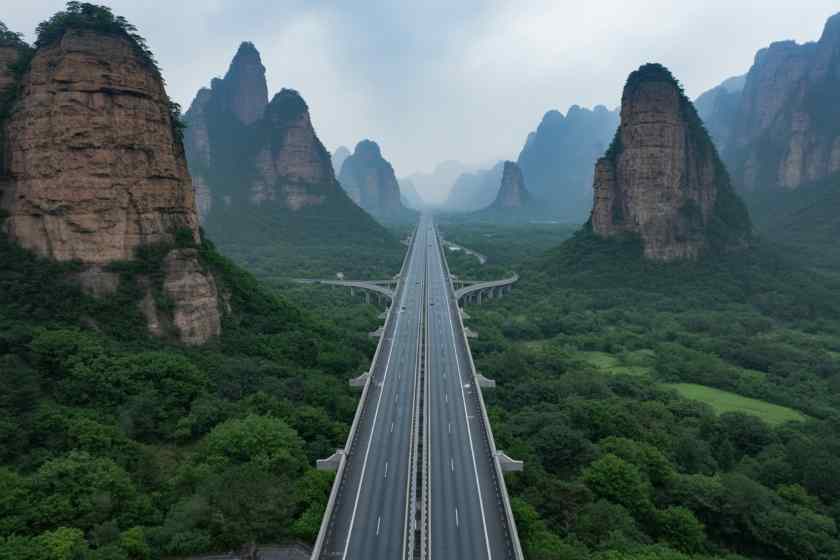
The launching of a new driving arrangement without borders that connects Guangdong Province with Hong Kong is scheduled for next month, a clear indicator of the ease of travel and the new economic prospects that are poised to come with it. The long highly anticipated Southbound Travel Scheme, allowing the entry of Hong Kong to private vehicles coming from Guangdong is set to be in full swing by November of 2025. The Southbound scheme is set to follow the already operational Northbound Travel Scheme that has been in place since 2023 allowing vehicles from Hong Kong to travel to Guangdong. The reciprocity is set to promote trade, tourism, and related industries in both regions by allowing the residents to travel freely and have better accessibility to both regions.
More details on the new scheme of cross-border connectivity. The Southbound Travel Scheme will permit the entry of private vehicles for travellers coming from Guangdong, with a maximum stay of three days. Vehicles will have the option of either traveling on the Hong Kong Zhuhai Macau Bridge, which serves as a fundamental component of the cross-border transportation system, or on land. Remarkably, under the scheme, a maximum of 100 vehicles from Guangdong are allowed to travel to Hong Kong per day with the possibility of increased daily limits if demand arises.
All vehicle owners who are interested in participating in the new scheme must submit an application which will then be evaluated against a set of criteria. This will include vehicle inspections as well as obtaining a Hong Kong driver’s license or even getting a third-party insurance policy. After completing the requirements listed above, such travelers will be able to drive directly to Hong Kong without the need of changing transportation which will save businessmen, border tourists, and families a lot of money and time.
With the new system, we anticipate a more relaxed way of travel as opposed to the concern of Hong Kong’s districts as well as the cultural touch points and sites of interest which we anticipate will mostly be visited by new travelers. Additionally, we anticipate this will assist people in Guandong who want to more easily visit family or friends who are Hong Kong residents. The outline for the criteria pertaining to this scheme have been prepared taking into consideration the need for a safe seamless transit to all other vehicles arriving into Hong Kong.
Optimising Experience for Tourists and Business People
For tourist and business traveler’s this new system gives greater ease and both HZMB will continue to facilitate private vehicles on the bridge and this will increase the accessibility of travel. People will be able to drive straight to Hong Kong instead of taking public transport and no longer taxis which restricted the flexibility of travel. Under this new system business travelers will also save a lot of all the time and hassle because travel between Hong Kong and Guangdong which is a major business hub in GBA will be more instantaneous and flexible and seamless. For many years, Hong Kong has always been and continues to be a center of international business and thus, easier access to Hong Kong will also allow business in Guangdong to more.
We expect that this system will increase cross-border trade and economic activity in both areas. More access means more trade which also means more business growth for both sides of the border.It is indeed a beneficiary to travelers and tourists the opportunity to enjoy the historical and cultural sites along with the modern and metropolitan attractions of Hong Kong all at once. While Hong Kong has its unique cultural attractions, culinary identity and natural landscapes that draw in tourists, the Southbound Travel Scheme allows for easy travel to housing multiple cultural and recreational activities.
In the case of the initiative for the Southbound Travel Scheme, it is Hong Kong that has streamlined the travel for tourists by cross border infrastructural changes. Along the Hong Kong Border, a Parking Zone for the Transfer Car Park has also been constructed. The park allows for approximately 1,800 vehicles that come in from Shenzhen and other parts of Guangdong to park, and further travel via public Hong Kong transport like the Airport Express and shuttle buses which take to central Hong Kong.
Besides, the government of Hong Kong has earmarked the construction of another “Visitor Car Park” at the Port, which should be ready by 2026. This additional parking space can further balance the inflow and outflow of vehicles and meet the increasing needs with the more residents of Guangdong taking up the offer. It is also stated that by enhancing the maintenance of parking structures, Hong Kong seeks to enable easier and smoother travel experience.
Economic and Tourism Advantages Accrued to Hong Kong
The Southbound Travel Scheme is more of a logistical facilitator rather than a mere passport opening economically. With global pandemic recovery measures in place while aiming to be primed in the Greater Bay Area, Hong Kong is strategically increasing the synergy in cross-border mobility. Cross-border travel promotes tourism circulation and reinforces Hong Kong’s stature as a regional business and tourism centre.
Guangdong’s tourism, especially from the cities of Guangzhou, Shenzhen, and Dongguan, has always been pillars of support for Hong Kong’s tourism sector. This new policy is bound to increase the number of tourists from the mainland driving to the city, which is likely to complement the hospitality, retail, and food and drinks sector.
Furthermore the plan will assist the events industry as tourists will be able to drive directly to the main events, exhibitions, and conventions of culture. As Hong Kong attempts to garner international attention for business tourism, this borderless driving feature will assist Hong Kong as a dominant global business and leis tourism location.
Advancement towards the Integration of the Bay Area.
The GBA, which includes Guangdong, Hong Kong, and Macao is among the most economically advanced areas in China. The Southbound Travel Scheme is designed as a part of the country?s plan to further integrate Hong Kong with the Greater Bay Area. The GBA is a national strategy aimed at developing infrastructure and encouraging cross-area exchange of people and business. The Southbound Travel Scheme enhances border mobility and cross-border connection to the GBA which deepens economic and culture exchange.
This cross-border scheme is a logical addition to the strategic vision of the Greater Bay Area and further integration with the GBA. Enhanced mobility is expected to increase the flow of people between Hong Kong and Macau and strengthen the tourism, trade, and social integration of the two regions.
Conclusion
The Southbound Travel Scheme is a monumental step in the unification of Hong Kong and Guangdong. It adds value by enhancing accessibility, increasing tourism and business, and supporting the Greater Bay Area objectives. With Hong Kong completely removing barriers to travel to vehicles from Guangdong, the people in both the regions will appreciate a considerably expanded travel, business and connectivity ecosystem. This is bound to enhance the prosperity of the two regions and the localized economies in the years to come.
mais veículos vindos de Hong Kong
mar25
Com o comércio local a perder cada vez mais receitas para o Interior, o membro da Assembleia Popular Nacional por Macau sugere que o território aceite mais viaturas de Hong Kong, para ajudar à recuperação dos negócios as pequenas e médias empresas
O membro da Assembleia Popular Nacional por Macau, Lao Ngai Leong, sugere a atribuição de mais quotas para veículos de Hong Kong podere circular em Macau, para compensar as pequenas e médias empresas (PME), pelas perdas das receitas para o Interior. A proposta foi apresentada durante uma sessão para aprender o “espírito das duas sessões”, realizada Associação de Federação e Comercial União de Shun De de Macau, na quarta-feira.
Durante a sessão, de acordo com o Jornal do Cidadão, Lao Ngai Leong abordou os problemas do comércio local, provocados pelo consumo cada vez mais frequente dos residentes do outro lado da fronteira. Contudo, Lao destacou que a questão é mais abrangente e que tem vantagens, dado que “também as pequenas e médias empresas começaram a consumir mais no Norte”.
Apesar deste cenário, o também empresário espera que os veículos de Guangdong possam circular cada vez mais perto de Macau, para visitarem o território e aumentar o volume de negócios das PME.
No entanto, o político avisou a população local da necessidade de ter maior capacidade para aceitar o aumento de tráfego nas estradas de Macau. A sugestão foi apresentada numa altura em que os residentes de Hong Kong tendem a consumir cada vez mais no Interior, em especial em Shenzhen, onde os preços são mais baratos do que na RAEHK ou em Macau.
A reconhecer a realidade
Em relação às PME dos bairros comunitários, o deputado reconheceu a existência de dificuldades acrescidas, dado que os novos turistas de Zhuhai não ficam, nem compram nessas zonas. Lao Ngai Leong defendeu assim que o Governo tem de criar outras atracções nos bairros e atribuir maior apoios ao comércio local, para atravessar esta fase complicada.
Apesar das dificuldades, o empresário defendeu que a economia de Macau está a “recuperar relativamente bem depois da pandemia” e que é a “obrigação de todos os sectores aproveitarem as políticas preferenciais do Governo Central”. O político afirmou igualmente que “as PME devem revitalizar-se e criar novo valor, para serem mais competitivas”.
Lao contou ainda que a sua empresa de comida no Interior começou a trabalhar com universidades para criar novos produtos e a seguir as novas tendências de consumo, pedindo ao comércio local que siga este exemplo.
https://hojemacau.com.mo/2025/03/21/comercio-lao-ngai-leong-quer-mais-veiculos-vindos-de-hong-kong/
mar25
A southbound travel scheme allowing Guangdong-registered vehicles to enter Macao would be a boon for the SAR’s economy, according to chairman of the Industry and Commerce Association of Macau, Kevin Ho King Lun.
Ho told Macau Post Daily that the initiative – which does not yet have an implementation date – should positively impact local businesses through increasing the flow of visitors, while strengthening exchanges between Macao and the rest of the Greater Bay Area.
The proposed policy involves allowing Guangdong motorists entry to both SARs via the Hong Kong-Zhuhai-Macau Bridge (HZMB) and is expected to launch this year, initially in Hong Kong.
Ho, who is also a deputy to the National People’s Congress, added that the policy would complement a recent easing of restricitons for Zhuhai and Hengqin residents travelling to Macao. Under the new arrangements, residents in neighbouring Zhuhai are now allowed to visit Macao once a week, for up to seven days, while Hengqin residents can travel to the SAR as often as they want for stays of up to a week.
While he acknowledged that many Macao residents were crossing the border to shop, Ho argued that this trend – which has been severely detrimental to local businesses – could be countered by new inbound flows of mainland Chinese willing to spend on “unique” travel experiences in Macao.
In the meantime, local retailers and restaurants are struggling – with decreases in local spending being clocked month after month. In addition, the tourist price index for entertainment and cultural activities fell by almost 14 percent in 2024 when compared with the year prior.
https://macaonews.org/news/business/macau-southbound-travel-guangdong-vehicles/
Comments
Post a Comment